
Personal Branding for Entrepreneurs: The Complete 2026 Playbook to Build Trust, Authority, and Revenue
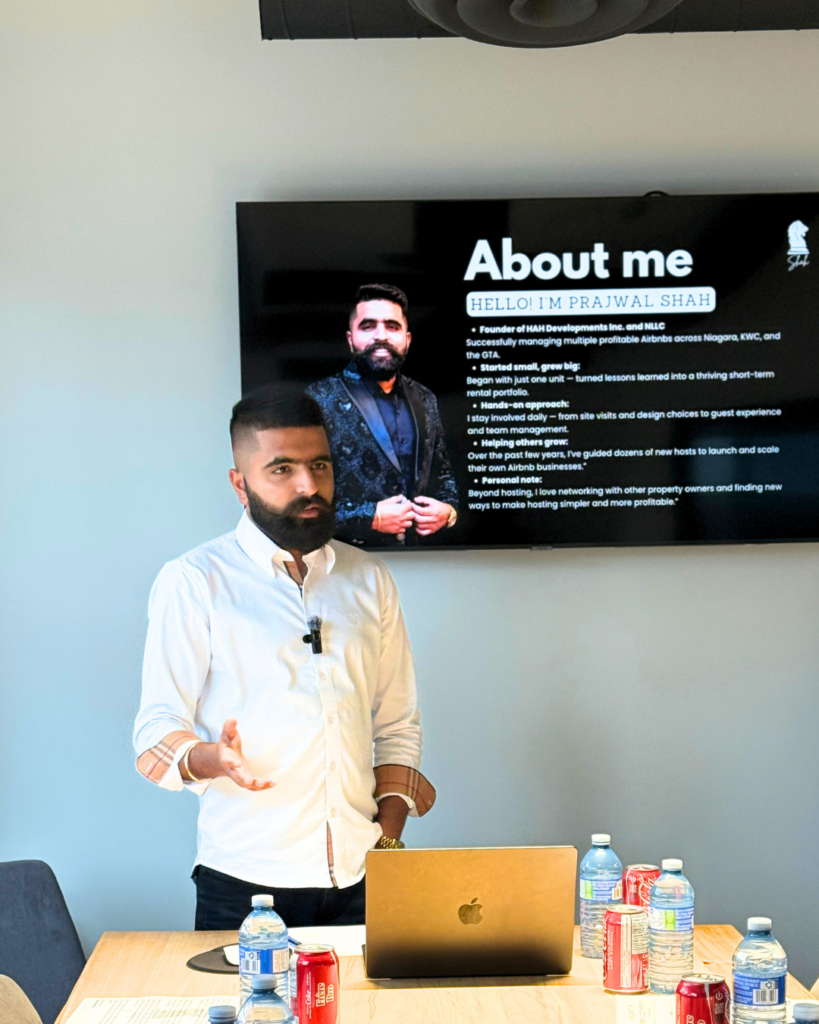
Somewhere between your last product launch and your next investor call, someone typed your name into Google. Or into ChatGPT. Or into Perplexity. What they found in those three seconds probably did more to shape their decision than your pitch deck ever could. That is the quiet reality most founders are only now waking up to. Your company has a logo, a website, and a tagline. But your company does not have a face that people trust before they have even spoken to you. You do. Personal branding for entrepreneurs used to sound like a vanity project – something for motivational speakers and Instagram influencers. Not anymore. In 2026, it has become a working part of the business itself, sitting somewhere between marketing, sales, and reputation management. Buyers research the founder before they research the product. Investors check the entrepreneur’s track record and public presence before they check the spreadsheet. Employees decide whether to join a company partly based on what its leader sounds like online. This guide walks through what personal branding for entrepreneurs actually means today, why it has become harder to ignore, and how to build one that holds up under scrutiny – without turning into a caricature of yourself in the process. 1. What Personal Branding Really Means for Entrepreneurs Personal branding is not a logo, a tagline, or a curated highlight reel. It is the sum of what people believe about you when your name comes up in a room you are not in. It is built from your expertise, your track record, the way you communicate, and the consistency between what you say and what you actually do. For entrepreneurs specifically, this takes on extra weight because the line between “you” and “the business” is thinner than it is for an employee at a large company. When a founder speaks publicly, people do not just hear an opinion – they hear a signal about how the company itself thinks, operates, and treats people. That is why personal branding for entrepreneurs is different from personal branding for, say, a mid-level manager at a Fortune 500 company. The stakes are direct. Your reputation and your revenue are connected in ways that are hard to separate. Personal Brand vs. Company Brand A company brand belongs to a legal entity. It can be renamed, rebranded, sold, or shut down without a single person losing their reputation. A personal brand belongs to you. It follows you if you pivot, if the company fails, if you start something new. This is precisely why so many entrepreneurs are investing time in it now – it is one of the few business assets that cannot be acquired, copied, or automated away. Competitors can copy your product. They cannot copy your story, your judgment, or the trust you have earned with an audience over years of showing up consistently. Why “You” Became the Strategy The shift did not happen overnight. Tom Peters’ 1997 essay “The Brand Called You” first proposed that professionals should manage their reputations with the same rigor a company applies to its products. For two decades, that idea stayed mostly theoretical for most business owners. Social media, and later AI-driven search, turned it into something unavoidable. People no longer wait for a handshake to form an opinion about you – they form it the moment they search your name, and what they find sets the tone for everything that follows. 2. Why Personal Branding for Entrepreneurs Matters More Than Ever If you are wondering whether this is worth the time investment, the data is fairly blunt about it. Trust Has Shifted From Institutions to Individuals Confidence in mass media and large institutions has been declining for years, and audiences have responded by putting their trust in individual voices instead of corporate ones. People are far more likely to trust a company when its leaders are visibly and consistently active, and financial audiences in particular trust leaders with an established public presence over those without one by a wide margin. This is not a fringe preference anymore – it has become the default expectation among buyers, employees, and investors alike. The Numbers Behind the Shift A few data points make the case clearly: Personal branding for entrepreneurs, in other words, is no longer a soft metric. It shows up in hiring outcomes, sales conversations, fundraising conversations, and even in how forgiving the market is when something goes wrong. AI Has Changed the Front Door to Your Business Here is the part that is genuinely new. A large and growing share of online searches now end without a single click, because the answer is delivered directly inside the search results or inside an AI chat interface. People are increasingly asking ChatGPT, Perplexity, or Google’s AI-driven overviews who the trusted voices are in a given field, rather than scrolling through search results themselves. That means your reputation is being summarized and served up by systems you do not control, based on what already exists about you across the web. If there is little public, credible, well-structured content connected to your name, AI systems have nothing to draw from, and you simply will not appear in the answer. This has quietly raised the stakes for founders who assumed a decent LinkedIn profile was enough. 3. The Five Pillars of a Strong Personal Brand A personal brand that actually holds up is built on five things working together, not any single viral moment. Clarity Clarity means people can describe what you do and what you stand for in one sentence, without hesitation. If your own team cannot explain your positioning simply, neither can your audience. Vague founders get scrolled past. Specific founders get remembered. Consistency A brand is not one great post – it is the same message, tone, and set of priorities showing up over months and years. Consistency is what separates a personal brand from a temporary burst of attention. It is also what search engines and AI systems reward, because repeated,