
Morning Routine of Successful Entrepreneurs: 15 Science-Backed Habits That Actually Move the Needle in 2026
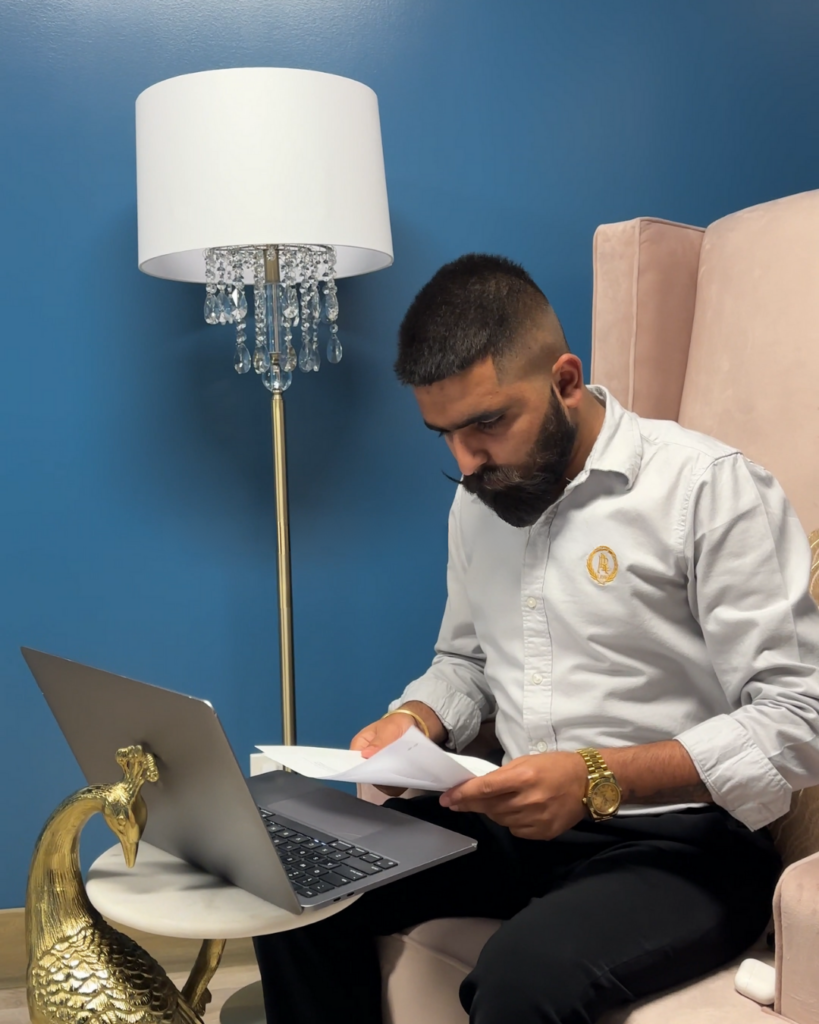
Somewhere between the 4 a.m. alarm videos and the cold plunge selfies, the idea of a morning routine got a little dishonest. It started sounding less like a habit and more like a competition. Wake up earlier than the next founder. Meditate longer. Read more pages before sunrise. Post about it before 7 a.m., just to prove it happened. But if you actually sit down with founders who have built real, lasting businesses, their mornings look far less dramatic than the content suggests. They are not chasing an aesthetic. They are protecting a resource: their attention, before the world gets a vote on how to spend it. That is really what this article is about. Not a rigid script to copy, but an honest look at the morning routine of successful entrepreneurs, what the research actually says about why it works, and how you can build a version that fits your business, your energy levels, and your life, instead of someone else’s highlight reel. By the end, you will have a practical, flexible framework you can start using tomorrow morning, not a checklist that quietly falls apart by Thursday. Why Your Morning Actually Matters (And It’s Not About Hustle) Here is the part most productivity content skips: your morning matters less because of what you do in it, and more because of what it prevents. Every decision you make burns a little bit of mental fuel. Psychologists call this decision fatigue, and it is a well-documented phenomenon: the more choices you make in a day, the lower the quality of your later decisions becomes. Judges hand out harsher rulings later in the day. Shoppers make worse impulse decisions after a long day of browsing. Founders, it turns out, are not exempt. An entrepreneur who wakes up and immediately starts making decisions, replying to messages, reacting to overnight emails, deciding what to wear, what to eat, what fire to put out first, has already spent meaningful mental energy before the actual work of the business has even started. A structured morning routine is not about virtue. It is about sequencing. It front-loads your day with the few decisions that matter (what am I eating, when am I moving, what is the one thing that has to get done today) so that your best mental energy is not wasted on autopilot decisions before 8 a.m. This is the real reason a consistent morning routine of successful entrepreneurs tends to look calmer than the average person’s morning, not busier. It is designed to remove friction, not add ritual for its own sake. The 4 A.M. Myth, And What the Research Actually Supports There is a very specific image that “successful morning routine” content likes to sell: an alarm before dawn, a cold shower, and hours of deep work before most people have opened their eyes. Some entrepreneurs genuinely do wake up early. Apple’s Tim Cook has spoken publicly about rising before 5 a.m. to go through customer and employee emails before his workout. Other founders and CEOs, across surveys of hundreds of executives, cluster their wake times somewhere between 5 and 6:30 a.m. But extreme early rising is not, by itself, what the research credits with better performance. A 2026 review examining how morning routines shape cognitive performance, mood, and circadian rhythm points to sleep timing and sleep consistency, not an arbitrarily early alarm, as the stronger predictor of next-day mental sharpness. In other words, going to bed and waking up at roughly the same time every day matters more than how early that time is. That lines up with what a growing body of sleep science has been saying for years. A randomized crossover study published in the journal Life found that a single night of extended, quality sleep meaningfully improved both physical and cognitive performance the next day, regardless of what time participants got up. Rested brains simply outperform merely early ones. This matters because chasing a 4 a.m. wake-up you cannot sustain, at the cost of five or six hours of sleep, is not discipline. It is a slow erosion of the exact cognitive sharpness you are trying to build a routine to protect. The honest version of the morning routine of successful entrepreneurs is less about the clock and more about consistency, sequencing, and protecting your first uninterrupted hour, whatever time that hour happens to start. What Actually Separates a Founder’s Morning From Everyone Else’s If wake-up time is not the differentiator, what is? Three things tend to show up again and again when you look past the headlines: what they avoid doing first, what they do instead, and how repeatable it is. What they avoid: reactive attention. Most entrepreneurs with structured mornings deliberately delay email, Slack, and news until after their own priorities are set. Jeff Bezos has been open about refusing to schedule high-stakes meetings before mid-morning, preferring a slower start with coffee, breakfast with family, and no rush. That is not laziness. It is a founder protecting his highest-leverage hours from other people’s agendas. What they do instead: something that puts them in charge of the day’s direction before anyone else can. That might be reviewing the day’s priorities, moving their body, or simply having a quiet, unstructured hour to think. The specific activity varies. The principle, deciding your agenda before the world hands you one, does not. How repeatable it is: the routines that last are boring by design. They are simple enough to survive a bad night’s sleep, a canceled flight, or a stressful week. A 24-minute routine that always happens beats a 90-minute routine that only happens on good days. Keep those three principles in mind as you read the habits below. None of them require you to own a company, wake up before sunrise, or buy a plunge tub. Why This Is Harder to Build in 2026 Than It Used to Be If protecting your morning feels harder than it did a few years ago, that is not just in your