
What Entrepreneur Life Really Looks Like in 2026
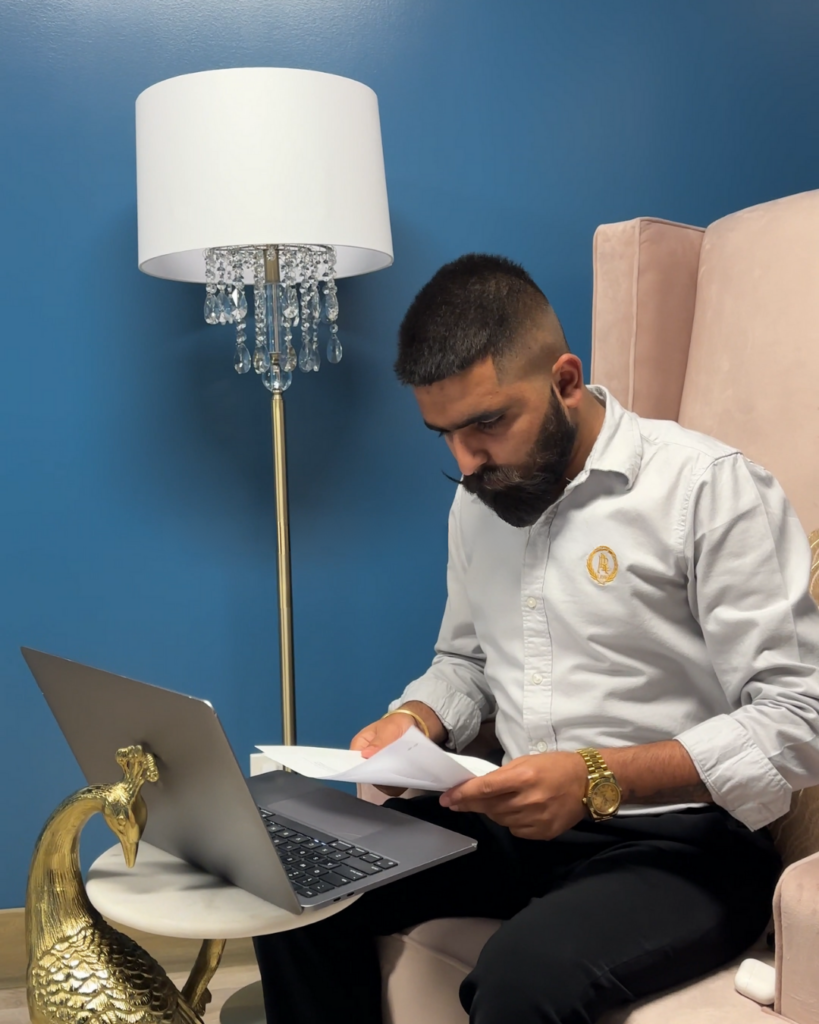
Everyone loves the highlight reel. The flexible schedule, the “be your own boss” freedom, the laptop-on-a-beach photo that shows up in every ad for a course on starting a business. Nobody puts the 11 PM strategy panic attack in the highlight reel. The truth about entrepreneur life sits somewhere between those two pictures. It is genuinely more flexible than a traditional job in some ways, and genuinely harder in ways most people never expect until they are already in it. If you are building a business right now, thinking about starting one, or trying to figure out why the freedom you were promised feels more like a second full-time job, this article is for you. We are going to look at what the current data actually says about entrepreneur life in 2026, why so many people are choosing it anyway, and what separates the entrepreneurs who build something sustainable from the ones who burn out before they get the chance. What Entrepreneur Life Actually Means Today Entrepreneur life used to have a fairly narrow definition. You started a company, you hired people, you scaled, and eventually you either sold the business or handed it to the next generation. That picture has changed. Today, entrepreneur life includes the solo consultant running a six-figure practice from a home office, the founder of a three-person startup chasing venture funding, the Etsy seller who quietly built a real income stream, and the property manager running a growing portfolio with a lean team. What ties all of these people together isn’t the size of the business. It’s the mindset. You are the one who absorbs the risk. You are the one who makes the call when there is no clear answer. And you are the one whose name is attached to the outcome, good or bad. That responsibility is exactly what makes entrepreneur life so different from employment, and it’s exactly why the lifestyle that comes with it deserves an honest look instead of another motivational poster. The Freedom Myth vs the Reality Why So Many People Choose the Entrepreneur Life Ask most new founders why they started, and freedom shows up near the top of the list almost every time. Control over your schedule. The chance to build something that reflects your values instead of someone else’s quarterly targets. The ability to be present for the parts of life that a rigid job schedule doesn’t allow for. That motivation is real, and it isn’t naive. Research from Mastercard found that a majority of women entrepreneurs specifically cited a better balance with home life as a driving reason for starting their own business, more so than their male counterparts. People are not wrong to want that. The question is whether the business they build actually delivers it. What Nobody Tells You Before You Start Here is where the gap opens up. A UK survey of business owners conducted by Bizdaq found that entrepreneurs worked roughly 50.5 hours a week on average, compared to about 37 hours for the typical employee. That is not a small difference. That is closer to an extra day and a half of work, every single week, indefinitely. And the hours are only part of the story. Unlike a job you can leave at the office, a business lives in your head all the time. A pricing question can surface at 11 PM. A client complaint can interrupt dinner. There is no clock to punch out on, because there is no separation between “you” and “the business” in the early years. This doesn’t mean entrepreneur life is a trap. It means the freedom it offers is a different kind of freedom than most people picture when they start. It is freedom of decision-making, not freedom from responsibility. Understanding that distinction early saves a lot of disappointment later. The Numbers Behind Entrepreneur Life in 2026 If you want to make a clear-eyed decision about entrepreneur life, you need real numbers, not just anecdotes. Here is what the current data shows. How Many Hours Entrepreneurs Actually Work Recent research on small and medium-sized business leaders in the UK found that the large majority work between 40 and 49 hours a week, while roughly 15 percent are putting in 60 to 69 hours weekly, and a small but notable group exceeds 70 hours. In the US, a separate survey from The Alternative Board found that 84 percent of business owners work more than 40 hours a week, with a third exceeding 50 hours and a quarter working past 60. Long hours by themselves are not the enemy. Plenty of people work hard and feel energized by it. The problem shows up when long hours combine with no boundaries, no recovery time, and no one to share the load with. That combination is what turns ambition into exhaustion. Mental Health and Burnout Data This is the part of entrepreneur life that gets talked about the least and matters the most. A 2026 founder survey found that 87.7 percent of entrepreneurs report struggling with at least one mental health issue, with roughly a third experiencing burnout directly and around half dealing with anxiety. Separate research from The Lonely Entrepreneur found that nearly half of founders have considered quitting their company specifically because of stress and burnout, not because the business itself was failing. One especially telling detail from that same research: a majority of founders are hiding their mental health struggles from investors, boards, and co-founders, and a large share cite fear of professional consequences as the reason they have never sought therapy. The data also shows a gender split worth understanding. Women entrepreneurs are more likely to report financial worry and impostor syndrome, while men are more likely to carry burnout and depression silently, in part because they report having far less of a support system to talk to openly. That last point matters more than it might seem. The research draws a straight line between having someone to talk to and lower burnout
What Entrepreneur Life Really Looks Like in 2026 Read More »