
Beyond Business: 15 Must-Read Books Every Entrepreneur Should Add to Their 2026 Reading List
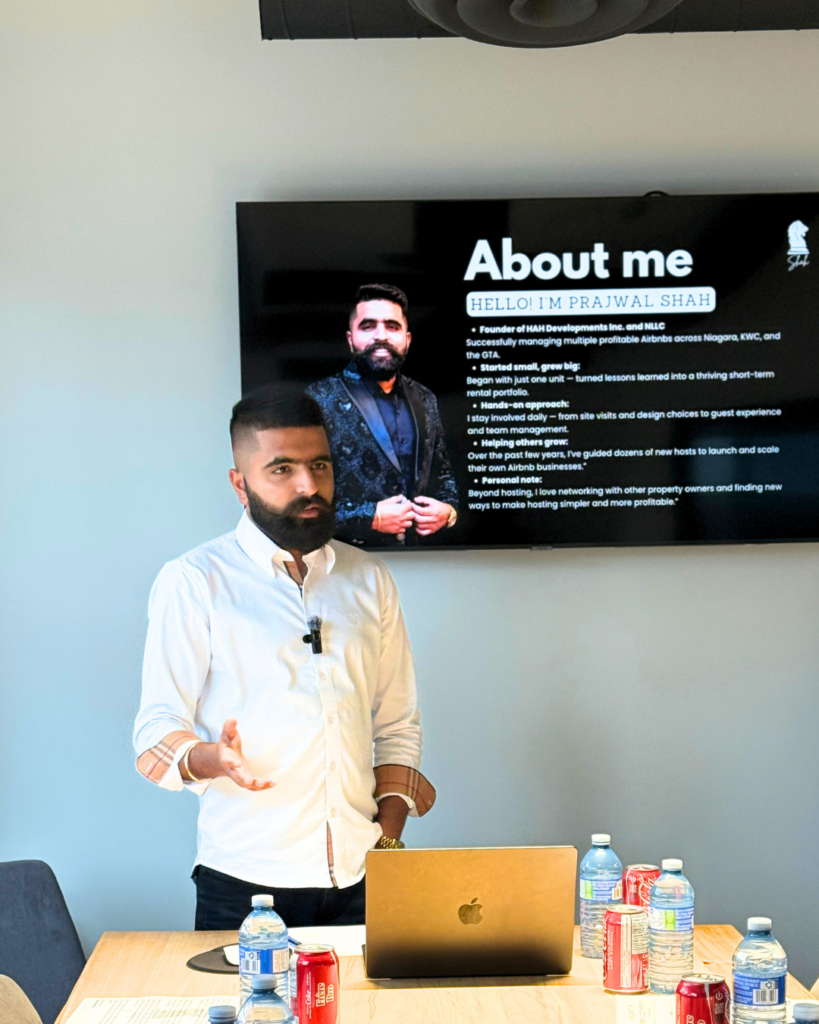
I get asked some version of the same question almost every week: “Prajwal, what should I actually be reading right now?” It usually comes from someone drowning – a new founder buried under decisions, a small business owner trying to scale past their own bandwidth, an operator staring at a P&L that doesn’t make sense yet. And my answer is always the same. Before you read anything new, read something that’s already been tested by someone who made the mistakes for you. That’s the entire case for books. A well-written business book compresses ten or twenty years of someone else’s trial and error into a few hours of your attention. You don’t get the scars. You just get the lessons. This matters more in 2026 than it did five years ago, not less. We are surrounded by AI tools that can summarize anything, generate anything, and answer almost any question in seconds. It’s tempting to think that makes deep reading optional. It doesn’t. AI can give you information. It cannot give you judgment, and judgment is what separates entrepreneurs who last from entrepreneurs who burn out chasing the next tactic. A summary tells you what a book says. Reading the book is what changes how you think. In this guide, I’ve put together 15 books every entrepreneur should read in 2026 – split by category, matched to different stages of business, and backed by why each one still holds up in an AI-driven economy. This isn’t a list of the same twenty titles every podcast recycles. Think of it as a working entrepreneur reading list 2026, organized so you can actually use it rather than just admire it on a shelf. I’ve also tried to keep this list honest. Some best business books 2026 roundups just recycle the same fifteen bestsellers every year without asking whether they still apply. A few titles here are genuine classics precisely because the underlying principles haven’t aged. Others earn their place because they speak directly to problems that are new in this decade – AI adoption, remote teams, and a tighter funding environment. Why Reading Still Gives Entrepreneurs a Competitive Advantage in 2026 Before diving into the list itself, it helps to understand why this particular set qualifies as must-read books for founders in the first place, rather than just a random collection of popular titles. Learning from successful founders without making expensive mistakes Every mistake in business costs something – time, money, morale, sometimes the business itself. A book lets you borrow someone else’s mistake instead of making it yourself. When Phil Knight writes about nearly running out of cash at Nike a dozen different times, you get to absorb that lesson at the cost of a paperback instead of at the cost of your own company. This is the real return on investment of reading. It’s not entertainment. It’s risk reduction. Developing long-term thinking Most day-to-day business pressure pulls you toward short-term decisions – this month’s revenue, this week’s fire, today’s inbox. Books force a different pace. They ask you to sit with an idea for three hundred pages instead of three seconds, and that alone retrains your brain to think in longer arcs. Founders who read consistently tend to make decisions with a five-year lens instead of a five-day one, because that’s the lens the best authors are writing from. Better decision-making under uncertainty Entrepreneurship is one long series of decisions made without complete information. Books like Thinking, Fast and Slowor The Psychology of Money don’t give you a formula – they give you mental models. And mental models are what let you make a fast, reasonably good decision when you don’t have time for a perfect one. Building leadership instead of chasing motivation Motivation fades. Leadership is a skill, and skills are built through repetition and study, not hype. This is one thing the current wave of “hustle culture” content gets backwards – it tries to make you feel something instead of teaching you something. The best leadership books skip the adrenaline and go straight to the mechanics: how to run a hard conversation, how to hold a team accountable, how to make a decision your team will actually follow. Staying relevant in an AI-driven business world Here’s the part most reading lists miss. AI has changed what’s valuable to know. Anyone can generate a marketing plan or a first-draft pitch deck in minutes now. What AI cannot generate is your judgment about which plan is right for your specific customer, your specific market, and your specific constraints. That judgment comes from pattern recognition – and pattern recognition comes from exposure to a wide range of business situations, which is exactly what a well-chosen library of books gives you. The entrepreneurs who will separate themselves in the next few years aren’t the ones who can prompt an AI model. They’re the ones who can tell the AI whether its answer is actually good. That’s exactly the gap AI era business books are trying to fill – not by teaching you to use the tools, but by teaching you to judge what the tools produce. The 15 Best Books Every Entrepreneur Should Read in 2026 This is the core of the list – fifteen books, each with an overview, key lessons, who it’s best for, and why it still matters in a business world reshaped by AI, remote work, and shifting consumer behavior. You’ll notice this isn’t purely a set of startup books for entrepreneurs in the early-stage sense – it deliberately spans the full arc from validating a first idea to running a company that’s meant to last decades. 1. Zero to One – Peter Thiel Overview: Peter Thiel’s central argument is that true business success doesn’t come from beating your competition – it comes from avoiding competition altogether by building something so new that, for a while, you have no competitors at all. Key Lessons: Best For: Founders building a genuinely new product or category, rather than a